Understanding the UCL Admissions Calendar: What It Means for You
Applying to a UCL master's programme is a nuanced, multi-stage process that extends far beyond simply submitting documents. Each phase of the admissions cycle brings its own set of selector priorities, evolving competition, and shifting standards. Whether you are targeting the UCL Urban Regeneration MSc, MSc Management, or MSc Computer Science, understanding the real admissions timeline can help you make strategic decisions and present your strongest case. This guide breaks down the timeline, explores how selectors think at each stage, and offers concrete examples of what makes applications stand out-or fall short-at different points in the cycle.
Key Phases of the UCL Application Cycle
UCL operates a rolling admissions process for most taught postgraduate programmes, but the reality is more complex than it appears. While applications are reviewed as they arrive, the pace and nature of decision-making change as the cycle progresses. The official deadlines published on UCL’s website are the final cut-off points, not the optimal windows for submission. For high-demand programmes such as MSc Computer Science, UCL MSc Management, and Urban Regeneration MSc, the effective competition intensifies as the cycle advances.
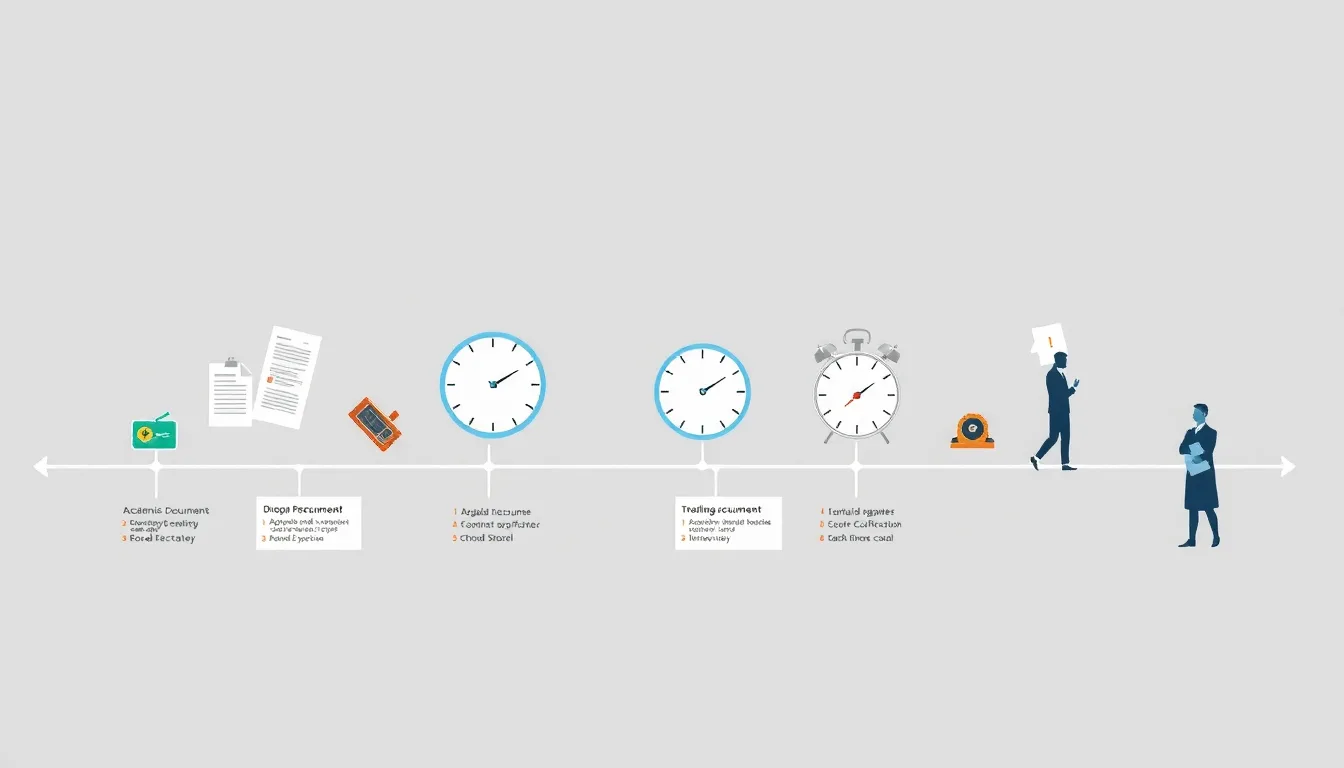
Broadly, the admissions cycle can be broken down into:
- Early Phase (October–December): Applications open and selectors begin reviewing candidates. The cohort is open, and selectors are looking for foundational fits and distinctive profiles. Some programmes may not make offers until a critical mass of applications has been reviewed.
- Mid Phase (January–March): Volume of applications increases significantly. Selectors start to compare candidates more directly, and some places may already be filled. The bar for admission often rises as the cohort takes shape.
- Late Phase (April–Final Deadline): Remaining places are few, and selectors may focus on filling specific gaps in the cohort. Competition is at its peak, and only the most compelling or strategically valuable applications are likely to succeed.
It is important to note that some programmes, especially those with high international demand or strict cohort caps, may close applications early if places fill. Always check the programme’s official page for updates.
Selector Priorities: How Admissions Logic Evolves
Selectors at UCL are not static in their evaluation criteria. Their priorities shift as the admissions cycle unfolds, influenced by the quality and diversity of the applicant pool, the number of offers made, and the evolving shape of the incoming cohort. Early in the cycle, selectors may be more open to unconventional backgrounds or profiles that bring unique perspectives. As the cycle progresses and the cohort begins to fill, the focus often narrows to candidates who fill specific academic or professional gaps, or who demonstrate exceptional alignment with the programme’s ethos.
For example, in the UCL MSc Management programme, selectors initially seek a broad mix of academic backgrounds, but as the cycle advances, they may prioritise applicants with robust quantitative skills or prior business experience to balance the cohort. In Urban Regeneration MSc, early flexibility for non-traditional applicants may give way to a preference for those with direct sector experience or a clear urban policy trajectory as spaces become scarce. For MSc Computer Science, selectors may initially consider career changers with non-traditional backgrounds, but later in the cycle, they often favour applicants with demonstrable technical preparation and a clear rationale for the transition.
Building a Timeline: When Should You Apply?
There is no single "best" week to apply, but certain patterns are clear. Submitting in the first two months after applications open is rarely a disadvantage, provided your materials are ready and compelling. However, rushing to submit a weak or incomplete application is a common pitfall. UCL selectors value quality over speed, and a hastily prepared application is unlikely to impress, regardless of timing.
Consider two hypothetical applicants to MSc Computer Science:
- Applicant A submits in October, but their personal statement is generic, their rationale for changing fields is vague, and their technical preparation is limited to a single online course. Despite applying early, selectors are likely to view this application as underdeveloped.
- Applicant B waits until December, using the extra time to complete a substantial coding project, secure a reference from a technical supervisor, and craft a focused statement linking their analytical skills to the programme’s demands. Even though competition is higher, this application is much more likely to stand out.
For UCL MSc Management, early applicants who can clearly articulate how the programme fits their career trajectory and demonstrate relevant leadership or analytical experience are well positioned. However, if your application would benefit from an additional internship or a more tailored reference, it is often better to wait and submit a stronger, later application than to rush.
Programme-Specific Nuances: Admissions Logic in Action
Each UCL master's programme has its own admissions logic, shaped by the curriculum, cohort needs, and professional outcomes. Understanding these nuances is critical for timing and content.
Urban Regeneration MSc
Selectors for Urban Regeneration MSc look for evidence of both intellectual engagement and practical understanding of urban issues. Early in the cycle, applicants with strong academic backgrounds in geography, planning, or related fields may be favoured, but selectors may also consider candidates with non-traditional backgrounds who demonstrate a genuine commitment to urban regeneration. As the cycle progresses, the emphasis often shifts toward applicants with direct sector experience, such as internships with planning authorities, NGOs, or urban consultancies. A strong application will connect academic learning to real-world challenges, referencing specific projects, placements, or policy work. For example, describing your role in a community-led regeneration initiative and reflecting on its outcomes signals both practical engagement and critical thinking.
MSc Management
For MSc Management, selectors expect a clear articulation of why UCL’s approach fits your career goals. Generic statements about "developing leadership skills" are rarely persuasive. Instead, referencing distinctive UCL modules, such as "Managing Innovation in Organisations" or "Business Analytics," and showing how your background prepares you to contribute to class discussions or group projects is much more effective. Selectors also look for evidence of leadership, teamwork, and analytical ability-qualities that can be demonstrated through work experience, extracurricular activities, or academic projects. As the cycle advances, selectors may prioritise applicants who bring unique perspectives or fill gaps in the cohort, such as those with international experience or expertise in emerging markets.
MSc Computer Science
MSc Computer Science is particularly competitive for applicants without a traditional computer science background. Selectors look for evidence of technical readiness, such as completion of relevant coursework, independent projects, or professional experience in tech-related roles. A weak application might mention a single online course; a stronger one will demonstrate sustained commitment, such as building a software tool, contributing to open-source projects, or applying computational methods in a previous job. Reflecting on how these experiences prepare you for UCL’s academic rigor-and how you plan to bridge any remaining gaps-signals both self-awareness and motivation.
References and Supporting Materials: Timing Pitfalls and Strategic Moves
References are a frequent source of delay in UCL applications. Selectors will not review your application until all required references are received, so a slow referee can push your application into a later, more competitive phase. For high-demand programmes, this can be the difference between a timely review and missing out on available places. Communicate early with referees, provide them with your draft statement or CV, and follow up politely but persistently. For MSc Management, a reference that simply confirms employment dates is much less impactful than one that speaks to your analytical and leadership potential, ideally with concrete examples of your contributions to projects or teams. For Urban Regeneration MSc, a reference from a supervisor on a regeneration project can add significant weight, especially if it highlights your ability to connect theory and practice.
Supporting materials, such as transcripts, portfolios (for certain programmes), or English language test scores, must also be submitted promptly. Missing or incomplete documents can delay your application’s review and, in some cases, lead to automatic rejection if not provided by a specified date.
Interviews and Additional Assessments: Timing and Preparation
Some UCL programmes invite selected applicants to interview or complete additional assessments, particularly for competitive or interdisciplinary courses. The timing of these interviews can provide clues about your standing in the applicant pool. Early interviews may indicate that selectors are casting a wide net, while later interviews often focus on candidates who fill specific cohort needs.
For example, MSc Computer Science may invite applicants to interview to probe technical preparation and motivation, especially for those with unconventional backgrounds. Being called to interview is not a guarantee of admission, but it is an opportunity to clarify any gaps or ambiguities in your profile. Prepare by reviewing your written application, anticipating selectors’ concerns, and being ready to discuss both your technical skills and your rationale for pursuing the programme.
For Urban Regeneration MSc, interviews may focus on your understanding of contemporary urban issues, your ability to engage critically with policy debates, and your commitment to the field. Demonstrating familiarity with current challenges in London or other global cities, and reflecting on how UCL’s resources will help you address these challenges, can set you apart.
Decision Timelines: What to Expect and How to Interpret Outcomes
UCL’s official decision timelines are conservative estimates, and actual response times vary widely by programme and applicant profile. Some applicants receive decisions within weeks, while others wait months. A fast decision is not always a sign of success or failure-a quick rejection often signals a poor programme fit or missing requirements, while a rapid offer may reflect a particularly compelling application that clearly meets selectors’ needs. For most applicants, especially to popular programmes like MSc Management, the wait is longer as selectors compare strong candidates and monitor cohort balance.
During this waiting period, use your time productively. Prepare for potential interviews, gather additional evidence of your fit (such as recent achievements or publications), and consider backup options. If you receive an offer, pay close attention to any conditions attached, such as final degree results or English language scores, and plan accordingly to meet them.
Strategic Takeaways: Using the Timeline to Your Advantage
The admissions timeline is not just a series of dates-it is a strategic landscape that shapes how selectors interpret your application. Strong evidence, a coherent narrative, and timely submission matter more than arbitrary speed. Leverage the timeline by building your application from the selector’s perspective: what makes you a distinctive and credible fit for this cohort, at this stage of the cycle, for this particular programme?
For example, if you are applying to MSc Computer Science as a career changer, use the early months to build a portfolio of technical work and secure a reference from a mentor who can speak to your programming skills. If you are targeting Urban Regeneration MSc, time your application to coincide with the completion of a relevant internship or project, and ensure your statement draws clear connections between your experience and the programme’s focus. For MSc Management, consider how your background complements the existing cohort and how you can demonstrate both leadership potential and a clear understanding of UCL’s unique curriculum.
G5Admissions modules-such as applicant positioning, programme matching, writing strategy, recommendation strategy, and interview preparation-can help you make sense of these nuances. Understanding the admissions timeline is the first step in controlling your application story, rather than letting the process control you. By aligning your evidence, timing, and narrative with the evolving logic of UCL selectors, you can maximise your chances of admission to your chosen programme.