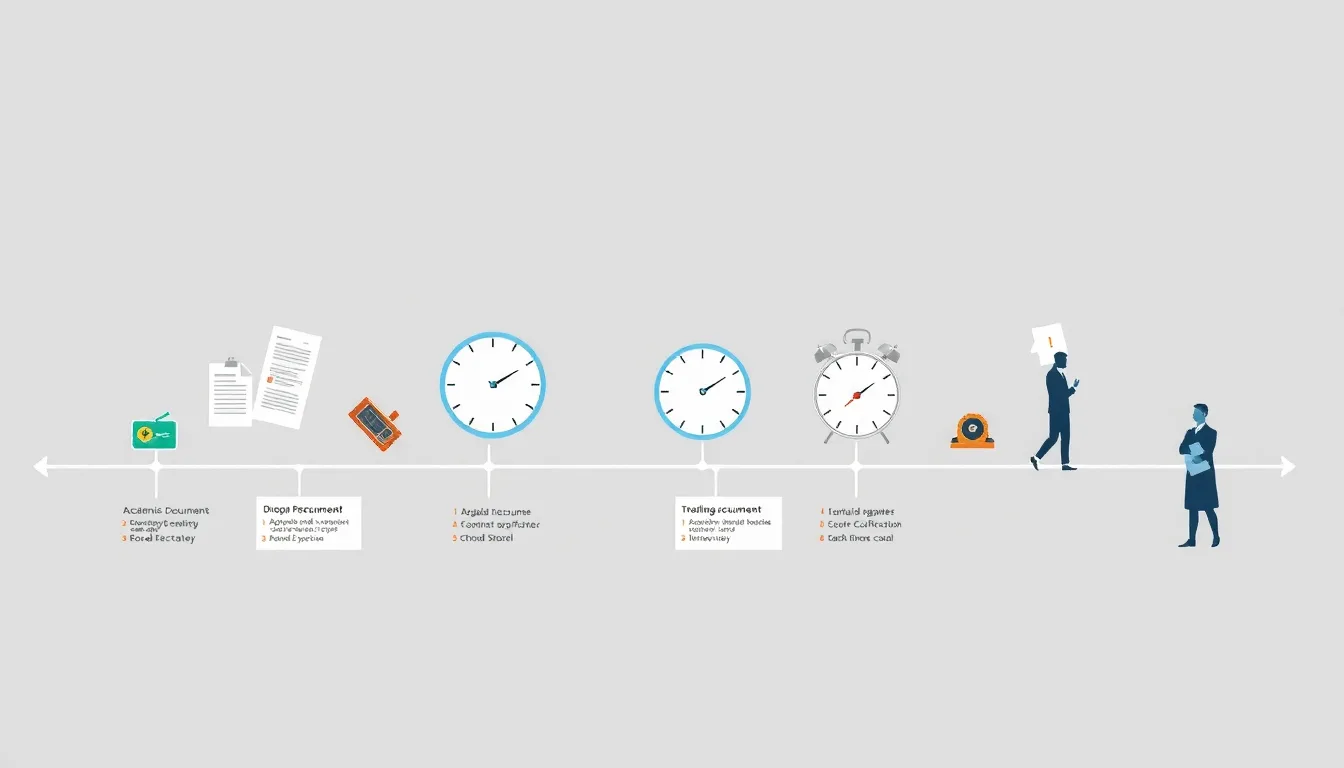
Understanding the Real Imperial Admissions Timeline
Imperial College London stands as one of the most sought-after destinations for postgraduate study in the UK and globally, particularly for STEM and business disciplines. Yet, the process of applying to Imperial’s most competitive master’s programmes-such as MSc Finance, MSc Business Analytics, and MSc Computing-is less a matter of ticking boxes before a deadline and more a strategic engagement with a rolling, highly comparative admissions process. The timeline is not merely a sequence of dates; it is a dynamic, competitive landscape where timing, evidence, and programme fit interact in subtle but decisive ways. This guide unpacks the real admissions timeline, using concrete examples and admissions logic to illuminate how and when to apply for maximum impact.
Why Imperial’s Timeline Is Not Just About Deadlines
Imperial’s published deadlines are often misunderstood as the only dates that matter. In reality, for flagship programmes, the admissions process is rolling, and places are filled as strong candidates emerge. This means that the effective window for a competitive application is often much shorter than the official cycle. For instance, the MSc Finance typically opens in early October. Within weeks, the admissions team begins making offers to the most compelling applicants. By late January or February, the cohort may already be close to capacity, especially for international students who require visas. For MSc Business Analytics, the pattern is similar: early applicants with robust, well-evidenced profiles are often rewarded with swift offers, while later applicants face a shrinking pool of places and a rising bar for admission.
Applicants who wait until March or April, believing that more time will allow them to strengthen their profile, often find themselves competing for a handful of remaining spots-if any. The Department of Computing, for example, may continue to accept applications for MSc Computing until spring, but by then, the majority of seats are likely allocated, and only truly exceptional late applicants are considered. Thus, the timeline is not a static calendar but a moving target, shaped by the pace and quality of applications received.
Key Phases of the Imperial Application Process
To navigate Imperial’s admissions landscape, it is crucial to understand the distinct phases that shape the process for MSc Finance, MSc Business Analytics, and MSc Computing:
- Preparation and Positioning (June–September): The most successful applicants begin their preparation long before the portal opens. For MSc Computing, this may involve undertaking summer research, open-source contributions, or internships that demonstrate technical depth. MSc Finance candidates might be completing CFA Level I, participating in investment societies, or securing internships at reputable banks. MSc Business Analytics hopefuls could be building a portfolio of analytics projects, perhaps with real business partners or through competitions like Kaggle. This phase is about gathering evidence and clarifying which programme best fits your trajectory.
- Application Launch and Early Review (October–December): Applications open in October. Early applicants benefit from a fresh cohort and selectors who are more open to diverse profiles. For example, an MSc Finance applicant with strong quantitative grades, a well-articulated career plan, and a summer internship at a boutique investment firm may secure an offer within weeks. MSc Computing selectors may be more willing to look holistically at candidates who show promise but have unconventional backgrounds. MSc Business Analytics reviewers are keen to see evidence of both technical skill and business impact-early in the cycle, they may be more receptive to applicants who excel in one area but show potential in the other.
- Main Review Rounds (January–March): The volume of applications increases, and the process becomes more comparative. Selectors now have a clearer sense of the cohort’s shape and may be looking to fill specific gaps (e.g., more international diversity, more applicants with industry experience). For MSc Business Analytics, the committee may scrutinise technical claims more closely, seeking applicants who have moved beyond classroom projects to real-world analytics. MSc Finance selectors may prioritise candidates with demonstrable impact in internships, not just participation. MSc Computing reviewers may now expect evidence of advanced programming or research experience, as the pool becomes more competitive.
- Late Cycle (April onwards): For the most selective programmes, most offers have been made. Remaining places are typically reserved for applicants with truly exceptional achievements-such as published research, industry awards, or highly unusual backgrounds. For less competitive pathways within the same departments, some places may still be available, but the bar for entry is higher and the process more unpredictable.
What Selectors Actually Evaluate at Each Stage
Imperial’s admissions teams do not simply check for minimum entry requirements. Instead, they assess each application relative to the current pool and the evolving needs of the cohort. This means that the same profile may be competitive in October but borderline by February. The evaluation is nuanced and programme-specific:
- MSc Finance: Selectors look for rigorous quantitative preparation (e.g., top marks in econometrics, statistics, or mathematics), evidence of relevant professional experience (such as a quant internship or student investment fund leadership), and a clear, credible rationale for why Imperial is the right fit. They are wary of generic statements and look for applicants who can articulate how their background and goals align with Imperial’s curriculum and placement record.
- MSc Business Analytics: The committee seeks applicants who combine technical proficiency (e.g., Python, R, SQL, machine learning) with demonstrable business impact. Evidence might include analytics projects with real clients, competition wins, or internships where data-driven decisions led to measurable outcomes. Selectors also look for communication skills and the ability to work in diverse teams, as the programme is highly collaborative.
- MSc Computing: Here, selectors prioritise depth of technical skill (e.g., advanced programming, systems design, research experience), but also value creativity, initiative, and evidence of problem-solving beyond coursework. Applicants who have contributed to open-source projects, published research, or built substantial independent projects are at an advantage. The rationale for choosing Imperial should reference specific research groups, modules, or collaborative opportunities.
Admissions Logic: How Timing Shapes Outcomes
Imperial’s rolling admissions means that each application is evaluated in the context of the current pool. Early in the cycle, selectors may be more open to profiles with potential, as they have more flexibility to shape the cohort. As the cycle progresses and more offers are made, the bar rises: only those who exceed the established benchmark or bring something unique are likely to receive offers. This logic is especially pronounced in MSc Finance and MSc Business Analytics, where the volume and calibre of applicants are exceptionally high.
For example, an MSc Finance applicant with a 2:1 from a reputable university, a summer internship at a mid-tier bank, and strong quantitative grades may be competitive in October. By February, however, the pool may include multiple applicants with first-class degrees, bulge-bracket internships, and CFA progress. The same profile that was strong early can become average or even weak as the cycle advances. This dynamic also affects MSc Computing, where early applicants with solid technical portfolios may secure offers, but later applicants must often show research or industry-level achievement.
Programme-Specific Case Studies: Weak vs Strong Evidence
To illustrate how evidence and timing interact, consider the following real-world-inspired cases:
Case 1: MSc Finance
Weak version: The applicant lists a finance degree, a summer internship at a local bank, and generic enthusiasm for Imperial. The personal statement is vague, with no quantifiable achievements or clear rationale for the programme.
Stronger version: The applicant highlights a top 5% ranking in quantitative modules, details a summer internship at a global investment bank where they built a financial model that was adopted by the team, and connects these experiences directly to Imperial’s curriculum (e.g., referencing specific modules or faculty research). They also demonstrate awareness of the programme’s placement record and articulate how Imperial’s network aligns with their career goals.
Case 2: MSc Business Analytics
Weak version: The application mentions familiarity with Python and Excel, with a vague reference to a group project.
Stronger version: The applicant provides a link to a Github repository showcasing a business analytics project completed for a real client, describes how their analysis led to a 10% increase in sales, and explains how this experience will allow them to contribute to Imperial’s applied modules. They also reference participation in a data science competition and reflect on lessons learned from working in a diverse team.
Case 3: MSc Computing
Weak version: The statement claims interest in AI but lists only coursework and a basic final-year project.
Stronger version: The applicant describes a self-initiated machine learning project, details the technical stack (e.g., TensorFlow, PyTorch), and shows how their skills align with Imperial’s research strengths (e.g., referencing the Data Science Institute or a specific faculty member’s work). They include evidence of collaboration (e.g., contributions to open-source projects) and problem-solving beyond the classroom, such as hackathon participation or published research.
How Reviewers Interpret Evidence and Timing
Imperial reviewers are tasked with building a balanced, high-achieving cohort. Early in the cycle, they may be more willing to take a chance on applicants who show potential but are not yet fully polished, especially if they bring diversity of background or perspective. As the cycle progresses, the opportunity to shape the cohort narrows, and reviewers look for applicants who are clearly above the established standard or who fill a specific gap (e.g., industry experience, underrepresented regions, unique technical skills).
For example, a January MSc Business Analytics applicant with a strong technical background but limited business experience may be passed over in favour of a candidate who has demonstrated both. Conversely, a late applicant with published research or significant industry awards may still secure an offer, but only if their evidence is truly exceptional. The same logic applies to MSc Computing, where late-cycle offers are rare and reserved for candidates with standout achievements.
Strategic Considerations: When Should You Apply?
For most applicants to competitive Imperial programmes, the optimal window is within the first two months of the cycle (October–November). This is when selectors are most open to a range of profiles and the cohort is still being shaped. Waiting to apply in hopes of strengthening your profile is only advisable if you are certain that a major new achievement (e.g., publication, award, or transformative internship) will fundamentally alter your competitiveness-and even then, the risk of a shrinking offer pool must be weighed carefully.
There are exceptions: applicants with highly unusual backgrounds, or those who can demonstrate a dramatic upward trajectory (e.g., a recent first-class degree after a prior 2:2), may benefit from waiting until new evidence is available. However, for the vast majority, earlier is better. This is particularly true for international applicants, who also face visa processing timelines.
Connecting Timeline Awareness to Your Application Strategy
Understanding Imperial’s admissions timeline is not just about submitting early; it is about aligning your preparation, evidence, and narrative with the evolving standards of the applicant pool. This means:
- Starting preparation months before applications open, focusing on building concrete, programme-relevant evidence.
- Applying as early as possible, unless a major new achievement is imminent and transformative.
- Tailoring your personal statement and references to reflect both your unique strengths and your fit with Imperial’s specific programme culture and curriculum.
- Monitoring the admissions cycle and being realistic about your competitiveness as the cycle progresses.
For MSc Finance, MSc Business Analytics, and MSc Computing, the difference between a successful and unsuccessful application often comes down to both what you present and when you present it. By understanding the real admissions timeline-and the logic that underpins each phase-you can position yourself for the strongest possible outcome.
G5Admissions modules are designed to help you analyse your evidence, benchmark your profile against recent admits, and time your application for maximum impact. Whether you are aiming for a place in Finance, Business Analytics, or Computing, a strategic approach to the admissions timeline is essential for success.